AI chatbots are often introduced as a way to reduce support costs. While cost savings matter, they only tell part of the story. The real return on investment comes from how chatbots reshape customer experience, improve internal operations, and support long-term growth. When used well, AI chatbots become a core part of CX transformation rather than just a support tool.
ROI Goes Beyond Cost Reduction
Many organizations see immediate savings after introducing chatbots. Routine questions are handled automatically, support volumes drop, and staffing pressure reduces. In some cases, operational costs fall sharply. However, the hidden ROI lies in outcomes that are harder to measure but far more valuable.
AI chatbots help reduce customer churn by resolving issues faster and more consistently. They shorten feedback cycles by capturing customer concerns in real time. They also improve employee experience by removing repetitive work. Over time, these factors lead to stronger loyalty, better products, and healthier teams.
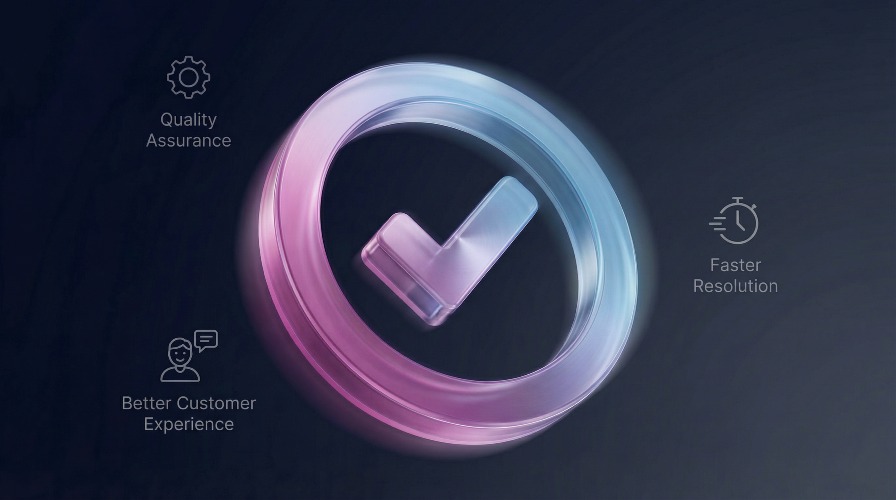
- Faster Resolution and Always-On Support
Speed plays a major role in customer satisfaction. Long wait times remain one of the biggest causes of frustration. AI chatbots respond instantly and work around the clock. Customers no longer need to wait for business hours or stand in queues for basic help.
This fast and reliable access builds trust. Customers feel supported when answers are available at the moment they need them. Faster resolution also reduces repeat contacts and escalations, which improves overall service efficiency. As response times improve, so do satisfaction scores and retention rates.
- Quality Assurance Through Consistency
Human-led support can vary from agent to agent. Messages may differ, steps may be missed, and compliance risks may rise. AI chatbots solve this by delivering consistent and accurate information across every interaction.
Chatbots follow approved workflows and brand guidelines at all times. This ensures that customers receive the same quality of service on every channel. AI-powered quality assurance also reviews all interactions instead of small samples. This full visibility helps organizations detect issues early, manage compliance risks, and maintain service standards at scale.
- Better Customer Journeys with Personalization
Modern customers expect more than quick answers. They expect experiences that feel personal and connected. AI chatbots support this by remembering past interactions, preferences, and context.
With this information, chatbots can tailor responses, suggest relevant solutions, and guide customers smoothly across the journey. From first inquiry to post-purchase support, the experience feels joined up rather than fragmented. This level of personalization increases engagement and improves customer lifetime value over time.
Automation That Empowers Agents
AI chatbots do not replace human agents. Instead, they handle repetitive tier-one requests such as order status, password resets, or basic FAQs. This automation frees agents to focus on complex cases that need judgment, empathy, and deeper problem solving.
As a result, agent productivity improves and job satisfaction rises. When agents spend less time on routine tasks, burnout reduces and retention improves. Lower turnover brings its own financial benefits, which often go unnoticed when measuring chatbot ROI.
Data That Drives Smarter Decisions
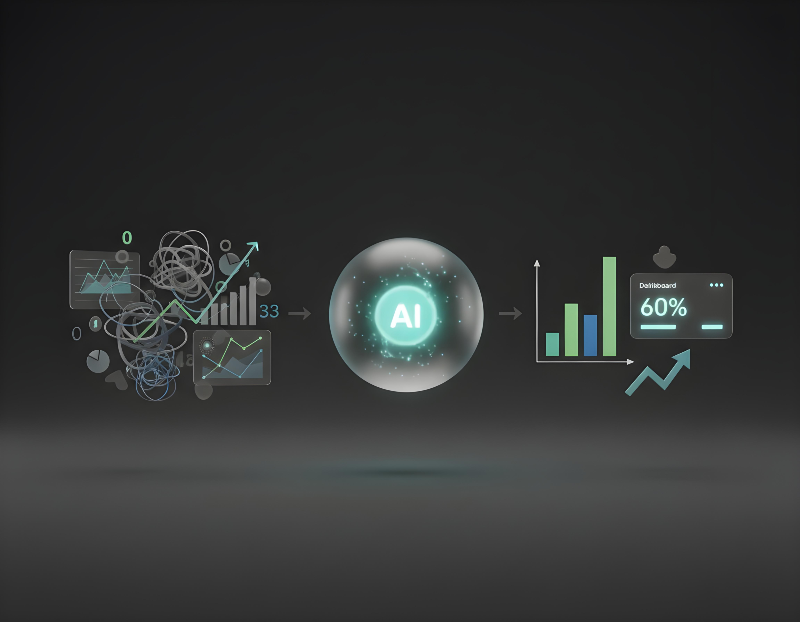
Every chatbot interaction creates useful data. These conversations reveal common questions, product issues, and emerging trends. This data becomes a powerful input for business decisions.
Teams can use these insights to improve products, refine processes, and update knowledge bases. Over time, this continuous learning loop helps organizations stay closer to customer needs and respond faster to change.
A Strategic Investment in CX Transformation
The true value of AI chatbots lies in how they connect automation with experience. They improve speed, consistency, and personalization while supporting employees and generating insight. When aligned with clear CX goals, chatbots move beyond efficiency gains and become drivers of revenue growth and business transformation.
Organizations that view AI chatbots as a strategic investment rather than a cost-cutting tool are more likely to see lasting returns. The hidden ROI is not hidden for long once better journeys; loyal customers, and stronger operations begin to show results.